| Ganesh Chaturthi | |||
|---|---|---|---|
|
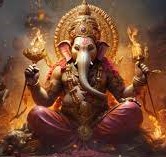
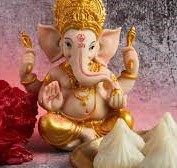
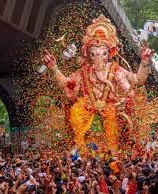
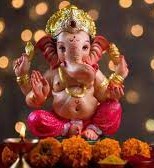
Ganesh Chaturthi, also known as Vinayaka Chaturthi, is a vibrant and joyous Hindu festival celebrated annually to honor the birth of Lord Ganesha, the remover of obstacles and the god of wisdom, prosperity, and good fortune. This auspicious occasion typically falls in the Hindu calendar month of Bhadrapada, usually between August and September, and is observed with great enthusiasm across India, especially in the states of Maharashtra, Karnataka, Gujarat, and Tamil Nadu. The festivities surrounding Ganesh Chaturthi commence with the installation of beautifully crafted clay idols of Lord Ganesha in homes, community pandals, and temples. Months of meticulous preparation go into creating these idols, ranging from small household versions to colossal statues towering over the streets. Artisans pour their creativity into sculpting the intricate details of Ganesha's form, often depicting him in various poses and adorned with colorful decorations. Once installed, the idols are worshipped with elaborate rituals and offerings. Devotees gather to perform aarti (a ritual of waving lighted lamps), chant hymns, and offer flowers, sweets, and fruits to Lord Ganesha. Modak, a sweet dumpling considered Ganesha's favorite, holds particular significance during this festival and is offered as prasad, symbolizing the sweet rewards of devotion. One of the hallmark traditions of Ganesh Chaturthi is the grand processions that accompany the immersion of the idols in bodies of water, such as rivers, lakes, or the sea, on the final day of the festival. These processions, accompanied by lively music, dancing, and chanting, create a jubilant atmosphere as devotees bid farewell to Ganesha, imploring him to return soon the following year. |
 |
||
|
The traditional procession known as "Mangal Shobhajatra" is a significant aspect of Poila Baisakh celebrations, particularly in Bangladesh. Led by colorful floats, adorned with symbolic motifs representing cultural and social themes, this procession symbolizes the spirit of resilience, solidarity, and unity among the people. The immersion, known as Visarjan, symbolizes the cycle of creation and dissolution in Hindu cosmology, reminding devotees of the impermanent nature of life. As the idols are submerged, prayers are offered for the removal of obstacles and the fulfillment of wishes. The water bodies teem with colorful floats carrying the idols, creating a spectacle that attracts throngs of spectators. Ganesh Chaturthi holds immense cultural significance beyond its religious observance. It serves as a unifying force, bringing communities together in celebration, regardless of caste, creed, or socioeconomic status. The festival fosters a sense of camaraderie and solidarity as people join hands to organize events, share meals, and participate in charitable activities such as feeding the needy and organizing cultural programs. In recent years, efforts to promote eco-friendly celebrations have gained momentum, with many communities opting for clay idols and organic materials to minimize environmental impact. Additionally, innovative initiatives such as idol immersion tanks and recycling programs aim to reduce pollution in water bodies, aligning the festival with principles of sustainability and ecological responsibility. Overall, Ganesh Chaturthi embodies the spirit of devotion, unity, and cultural richness that defines India's diverse tapestry. It serves as a time-honored tradition that not only pays homage to a beloved deity but also fosters bonds of kinship and harmony among communities, ensuring that the spirit of Lord Ganesha's blessings resonates far beyond the festival's duration. |
|||
 |
 |
 |
 |
HOME |